Key Takeaways
- The memory care environment affects residents’ moods by shaping how they respond to their surroundings and how comfortable they feel each day.
- Memory care communities use natural lighting, contrasting colors, and clear walking paths to reduce confusion and help residents find their way around.
- Quiet spaces and controlled noise levels help prevent frustration and give residents comfortable places to relax.
- Familiar furniture, photographs, and personal belongings help residents recognize their surroundings and feel more at home.
- Consistent schedules, familiar caregivers, and personal routines provide reassurance and help residents maintain lifelong habits.
How the Environment Affects Mood in Memory Care
When you’re looking for memory care for someone you love, you want to know they’ll feel comfortable, safe, and cared for. The people around them matter, but so does the place they’ll call home. For someone living with dementia, something as simple as a noisy hallway or unfamiliar room can affect how they feel throughout the day.
The environment in memory care affects mood by shaping how residents respond to their surroundings, recognize familiar places, and feel comfortable throughout the day. Good lighting, easy-to-follow layouts, and welcoming spaces help reduce unnecessary confusion. Familiar belongings and consistent routines also give residents something recognizable to rely on as they settle into daily life.
How Memory Care Design Supports Daily Comfort
When you tour a memory care community, pay attention to more than how attractive the building looks. Good memory care design takes residents’ comfort, safety, and daily needs into account. From lighting and furniture to the way community activities are structured, each detail should have a clear purpose.
Lighting and Color
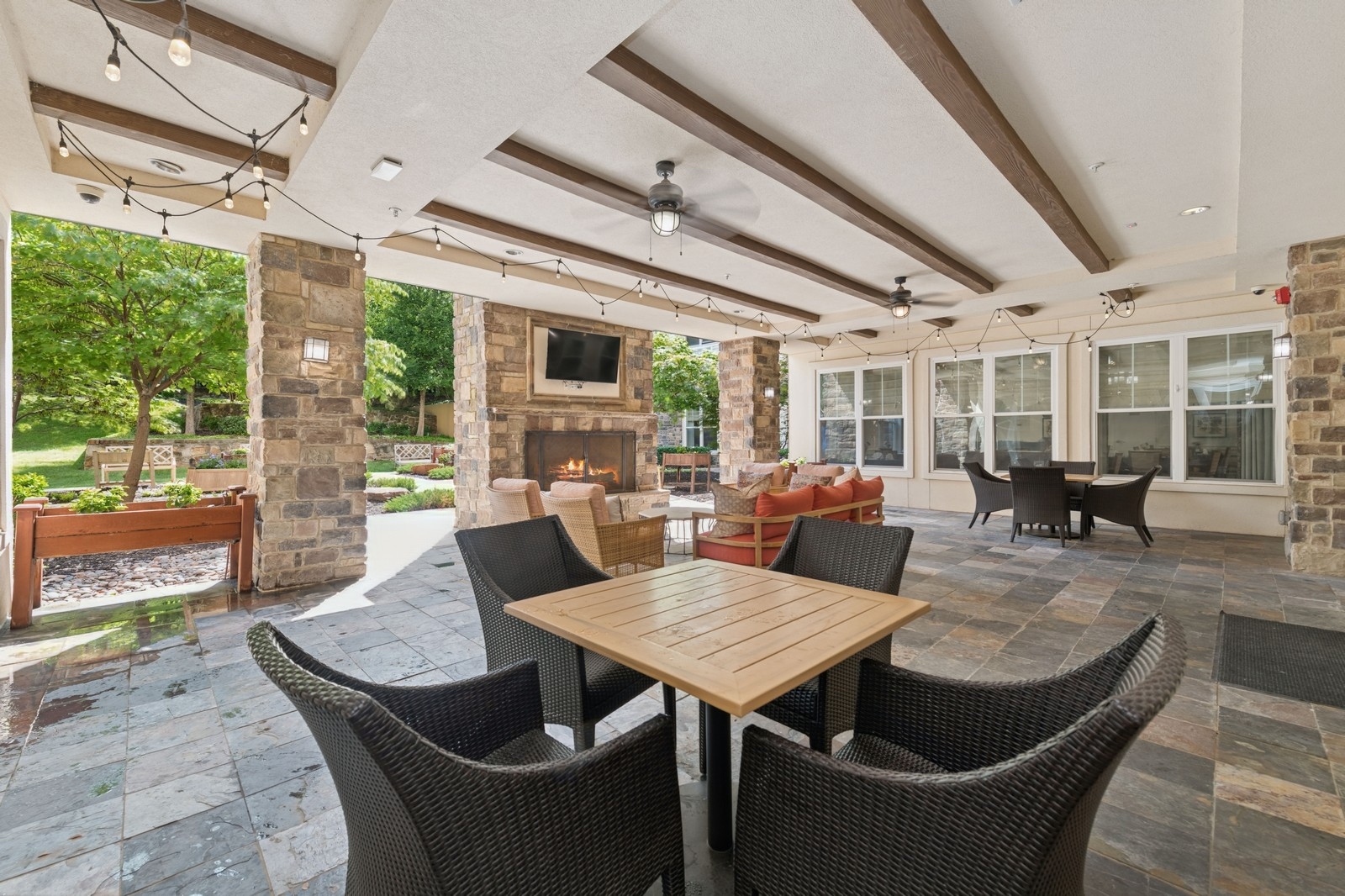
Memory care communities use natural light to help residents maintain regular sleep and wake schedules. With proper indoor lighting, communities keep hallways and common areas bright enough to see clearly without harsh shadows or glare. Contrasting colors around doorways and furniture help residents tell important features apart. Together, these choices make it easier to recognize surroundings and move through familiar spaces.
Layout and Wayfinding
Memory care communities use clear hallways, familiar landmarks, and simple walking routes to help residents find their way around. A family photograph or a favorite decoration outside an apartment can help someone recognize their own door. These design choices reduce unnecessary confusion and support greater independence.
Noise and Sensory Stimulation
Loud televisions, overlapping conversations, and busy common areas can become frustrating for someone living with dementia. Memory care communities help manage these distractions by providing quieter spaces where residents can rest, read, or spend time with visitors. By using soft furnishings throughout the community, memory care can also help reduce echoes and background noise and give residents room to relax.
Familiar Furniture and Personal Belongings
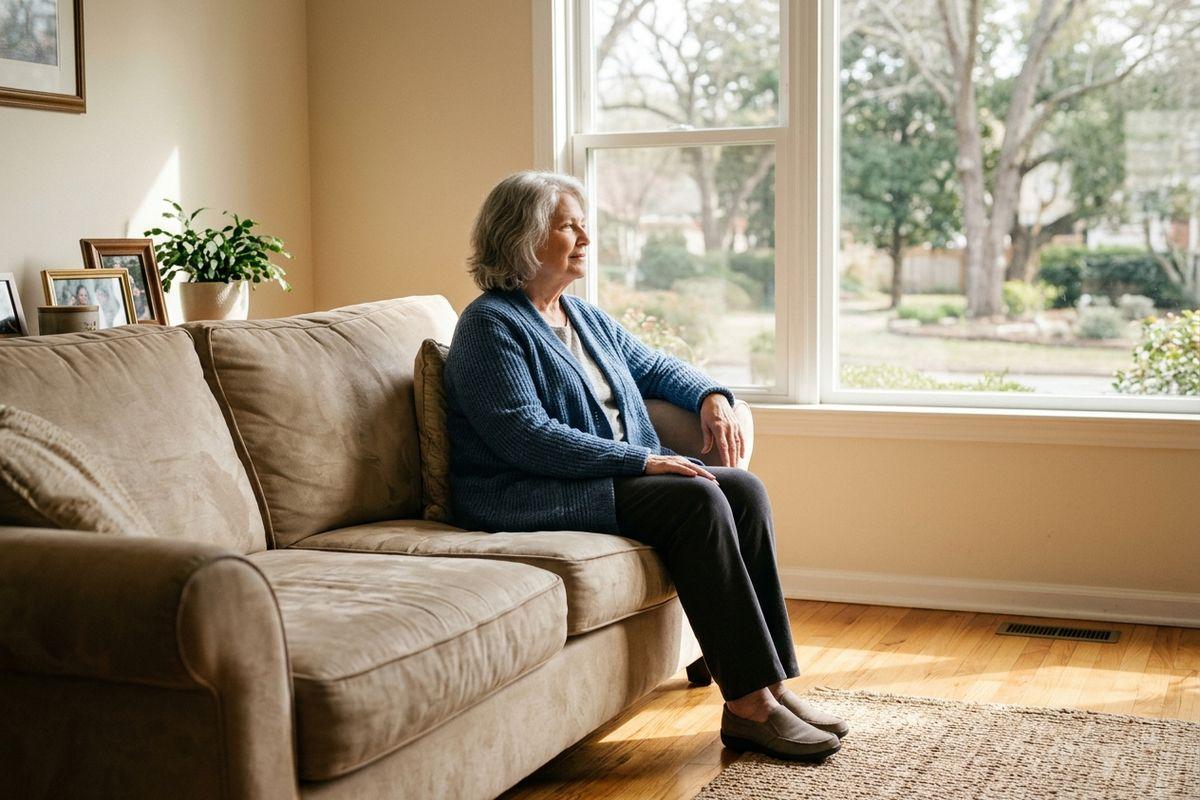
Moving into memory care shouldn’t mean leaving every familiar comfort behind. Communities help residents settle in by encouraging them to bring family photographs, favorite blankets, and meaningful decorations from home. Keeping personal belongings in familiar places makes them easier to find and recognize. These touches help residents maintain a connection to their lives and personal tastes.
Comfortable and Accessible Living Spaces
Intentional memory care design is key to a comfortable, accessible living space. That’s why memory care communities plan living spaces around residents’ physical needs and daily comfort. Clear walking paths, supportive seating, and easy-to-reach furniture help residents move around more freely, and shared spaces offer places to spend time with neighbors and quieter areas for rest. A thoughtful mix of spaces gives residents more choice over where and how they spend their time.

How Familiar Routines Support Emotional Comfort
Even in a welcoming memory care community, an unfamiliar daily schedule can leave someone with dementia feeling unsettled. Steady routines give residents a sense of what to expect and help them stay connected to habits they’ve followed for years.
Memory care communities help build that familiarity through everyday routines, such as:
- Keeping meals, activities, and rest periods at regular times throughout the day.
- Helping residents follow familiar morning and evening habits.
- Providing regular opportunities to spend time with others.
- Respecting favorite activities, foods, and personal preferences.
- Adjusting daily plans when residents need extra rest or prefer a different activity.
Think about the small things your loved one looks forward to every day, whether that’s having coffee by the window, reading after lunch, or listening to their favorite music in the evening. Memory care teams learn about these habits from families and help residents continue them in their new home.
What to Look for in a Memory Care Environment
Choosing a memory care community means looking closely at how your loved one will spend their days. A beautiful building is nice, but you also need to know how the space supports residents when they’re confused, tired, or looking for somewhere familiar.
During your tour, look for:
- Comfortable lighting, without dark hallways, harsh shadows, or excessive glare.
- Clear walking routes and familiar landmarks that help residents find their way around.
- Comfortable noise levels in shared areas, with quiet spaces available when residents need a break.
- Accessible seating, clear walkways, and furniture that suits residents with different mobility needs.
- Caregivers who speak patiently and respectfully with residents and help them feel comfortable.
- Daily routines that respect residents’ personal preferences and decisions.
Pay attention to how your loved one responds to the surroundings during the visit. If they’re sensitive to noise, check whether there’s somewhere quiet to relax. If they have trouble finding their way around, look for clear signs, familiar landmarks, and caregivers who offer patient guidance.
Supportive Memory Care in Irving
The connection between environment and mood in memory care affects everyday experiences, from finding a familiar room to relaxing in a comfortable sitting area. Memory care communities use thoughtful lighting, clear layouts, and familiar routines to help residents feel comfortable in their surroundings. As you compare your options, focus on finding a community that respects your loved one’s habits, preferences, and personal needs.
At Washington Pointe Las Colinas, we understand how much thought goes into choosing memory care for someone you love. Our team is here to answer your questions, discuss your loved one’s needs, and help you learn more about daily life in our community. Schedule a tour today to learn more about our memory care community in Irving, and come discover your lov232ed one’s future home.