
Key Takeaways
- Repeated trouble with bathing, meals, medications, or household tasks may show that scheduled home care no longer covers daily needs.
- Falls, difficulty using stairs, wandering, and household hazards are safety concerns to track, including between care visits.
- Changes in memory, mood, or social habits warrant a conversation with a healthcare professional, especially if they’re new or worsening.
- Families can compare what happens during home-care visits with the help their loved one needs throughout the day.
- Assisted living can provide support with personal care and daily routines while residents continue doing what they can independently.
How to Recognize When Home Care Is No Longer Enough
Your mom has help with groceries and housekeeping, but you’ve noticed food going untouched in the fridge. Or your dad seems steady when you visit, yet he’s started avoiding the stairs when no one is there to help. It can be hard to tell whether these changes call for a different schedule at home or a different kind of support.
Signs your loved one needs more than in-home care often appear as a pattern: daily tasks go undone, safety concerns grow, or time alone becomes harder to manage. The question is whether the help they receive still covers what they need throughout the day. Looking at specific changes can help your family decide what to do next, and if you decide your loved one needs assisted living, you’re not alone.
Signs Daily Routines Need More Support
Think about what your loved one manages on a typical day, including the hours when no one is visiting. A single missed meal may have a simple explanation. Repeated problems across several routines tell you more about whether the current arrangement is working.
Look for changes such as:
- Skipping baths or wearing the same clothes for several days
- Missing meals or having trouble preparing food
- Forgetting medications or taking them at the wrong time
- Letting mail, bills, or household chores pile up
Ask your loved one what’s getting difficult, and compare what you hear with what you see over several visits. That conversation may reveal a need for longer home-care visits, more help from family, or support that’s available throughout the day.
Safety Concerns That Are Harder to Manage at Home
A home can still feel familiar while becoming more difficult to move around in safely. Take note of close calls as well as injuries, particularly if your loved one spends long stretches alone.
Watch for:
- Falls, near falls, or furniture used for balance
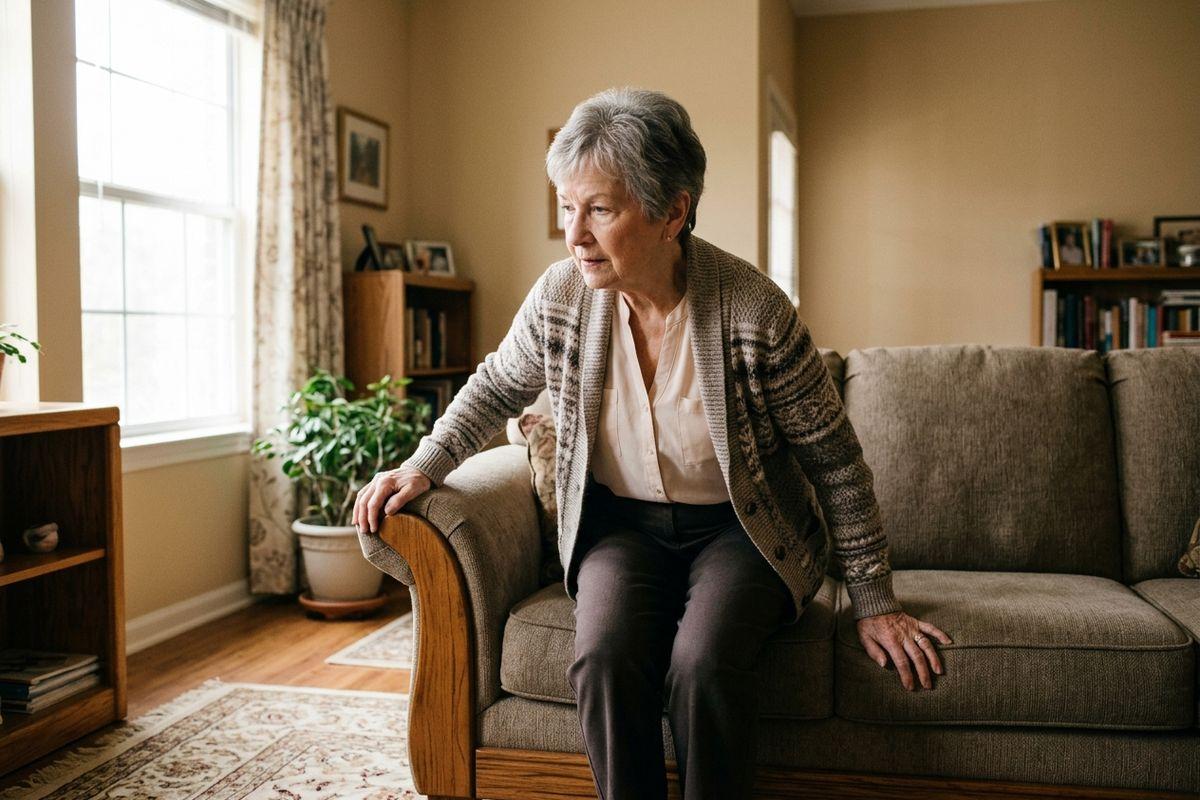
- Difficulty getting out of a chair or managing stairs
- Wandering or getting lost in familiar places
- Burners left on or other household hazards
Some risks can be reduced with changes at home. If concerns continue despite those changes and scheduled help, talk with your loved one about what support would be available at the times they need it.
Changes in Memory, Mood, and Connection
A brief visit may not show what an entire week has been like. Notice whether your loved one is having trouble keeping track of conversations or has stopped doing things they usually choose for themselves. These signs of memory problems could be indicating something more serious.
Changes to discuss include:
- Repeating questions or losing track of plans
- Forgetting familiar routines or becoming confused about where they are
- Pulling back from friends, calls, or favorite activities
- Seeming more anxious or restless than usual
These signs don’t point to one certain cause. Share what you’ve noticed with a healthcare professional, especially if the changes are new or getting worse. Their guidance can help your family understand what kind of support to consider.

What More Consistent Support Could Look Like
The right option depends on which parts of the day have become difficult and what your loved one wants to keep doing independently. A community visit can give you a clearer picture of how support fits into everyday life.
Help With Everyday Routines
Assisted living can provide help with personal care and daily routines while leaving room for residents to do what they can on their own. Meals and housekeeping may also take some recurring tasks off their plate. Ask how the community handles the specific activities your loved one finds difficult. Details such as timing and the level of help available matter more than a broad list of services.
A Setting Designed With Safety in Mind
Accessible spaces may be easier to move through than a home with stairs or other obstacles. Staff availability can also matter if your loved one needs help outside scheduled visit times. No setting can prevent every fall or accident, so ask how the community responds when someone needs assistance. Bring up the safety concerns you’ve already seen at home.
Support for Changes in Memory
Memory care may be appropriate for someone who needs more structure because of ongoing confusion or other cognitive changes. A consistent daily routine can make activities and transitions easier to follow. Ask what staff do if a resident becomes disoriented or tries to leave an area alone. A conversation with your loved one’s healthcare professional can help you decide which questions to bring to a visit.
More Chances for Connection
Living at home can become isolating if getting out or arranging visits has grown difficult. Shared meals and activities give residents opportunities to spend time with others without having to plan every outing themselves. Your loved one can still choose how they want to participate. During a tour, ask what a typical day looks like and whether the options reflect their interests.
How Senior Living Options Can Help
Maybe your loved one still enjoys their mornings at home, but meals are getting missed and evenings have become harder to manage. You don’t have to dismiss what’s working to recognize where they need more help. Looking at those gaps together can make the next conversation feel more concrete.
At Washington Pointe Las Colinas, we’d like to hear about your loved one’s routines, what they want to keep doing for themselves, and where your family has noticed a change. We can walk you through our assisted living and memory care options and answer your questions as you look around. Schedule a tour of Washington Pointe Las Colinas today to see whether our community is the right fit for your loved one.